

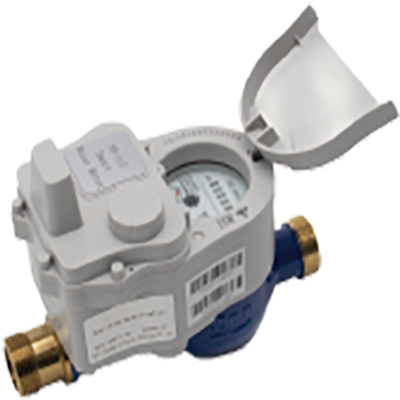

product presentation :
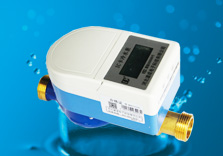
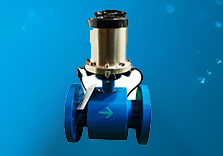
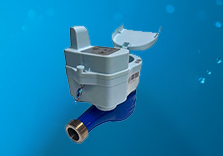
The NB-IoT water meter is an intelligent meter utilizing NB-IoT technology, enabling wireless remote data collection and valve control.
service condition :
Size: DN15-DN200
Body: Brass (with valve)/Iron (without valve)
Type: Dry dialing/wet dialing (standard)
Maximum working pressure: PN16.
Protection rating: IP68
Protocol: Narrowband (LTE Cat. NB)
Frequency: B3 (1800), B5 (850), B8 (900)
Battery: Service life exceeding 6 years
Pressure loss: ≤0.063 MPa
Water temperature: T30/T90
Standard: ISO4064.
certificate :MID
SIM card: Miniature SIM card (3FF type)
Working Mode: Level A
Software: B/S cloud service platform
Software payment: Free
Components: NB batch water meter, base station, service platform
NB-loT Water Meter Functions
(1) The LCD display shows the current signal value, remaining capacity, water consumption, remaining water volume, and other information.
(2) Remote Reading and Remote Valve Control
(3) Early warning system: Battery under-voltage and abnormal metering alarm
(4) Tiered water pricing can be implemented based on user categories and water consumption volumes.
(5) Battery: Service life exceeding 6 years
(6) Supports built-in/external antennas for stable and reliable signal transmission.
(7) High sampling accuracy
(8) Spring contact fault detection: When a sampling spring contact fails, the water meter will display a spring contact fault status while maintaining accurate measurement.
(9) Data upload frequency can be configured, with periodic uploads scheduled at minute, hour, or daily intervals.
(10) Battery replacement can be performed directly without activating the water meter.
(11) The system adopts a Browser-Server (BS) architecture: the browser supports login functionality and is compatible with both PC and mobile devices.
(12) The NB IoT remote water meter supports two upload modes: fixed-point upload and periodic upload, catering to diverse user requirements.
(13) Four upload methods are supported for fixed time points: month, week, day, and hour (including specific dates within months, specific dates within weeks, specific hours within days, and specific minutes within hours).